Pie Chart Icons for Embroidery Projects
First Impressions: A Clean and Versatile Design
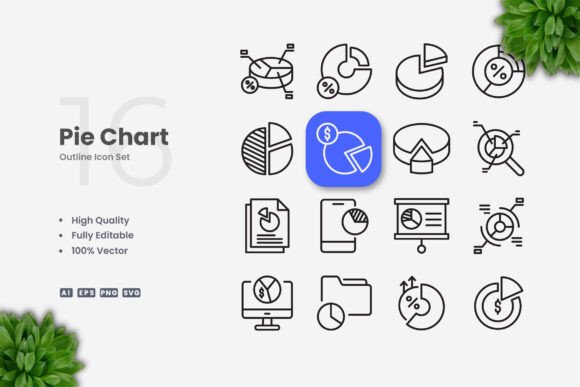
When I first laid eyes on Pie Chart Icons, it felt like a breath of fresh air. The design is minimalist, yet expressive—perfect for those who want to convey data or visual concepts without overwhelming the viewer. The clean lines and balanced layout suggest a modern aesthetic that can easily blend into a variety of embroidery projects. Whether you're working on a custom tote bag or a baby onesie, this icon feels like it was crafted with purpose.
The mood it creates is professional but approachable. It’s not too flashy, which makes it ideal for both personal and commercial use. I could see it fitting well in a small shop product or an Etsy listing where simplicity and clarity are key. Its subtle detail level means it won’t distract from other elements in the design, which is a big plus when working on layered or textured fabrics.
Real-Life Scenario: Custom Embroidered Tote Bag
Let me imagine using Pie Chart Icons in a real-life project. Suppose I’m preparing a custom embroidered tote bag for a boutique client. They want something that conveys organization and efficiency, so I decide to feature the pie chart icon on the front. The design needs to be clear and legible at a distance, so I test it on scrap fabric first.
I notice that the icon holds up well under different stitch densities. When I adjust the stroke weight slightly, it adds depth without making the image feel cluttered. This flexibility is a huge benefit for an embroidery designer like myself. I also consider how it would look on dark fabric and make sure the thread colors contrast enough to maintain visibility.
For this project, I’d use a satin stitch for the main shapes and a running stitch for the outlines to keep everything crisp. I check the hoop size to ensure the design fits comfortably, and I add a stabilizer to prevent shifting during stitching. Once complete, the tote bag looks professional and refined, which aligns perfectly with the client’s brand identity.
Performance in Real Embroidery Situations
Pie Chart Icons shines in a range of real-life embroidery scenarios. From custom apparel like sweatshirts and t-shirts to embroidered patches and holiday gifts, this design adapts well to various surfaces and purposes. On a pillow cover, it adds a touch of sophistication, while on a cap or apron, it maintains its clarity despite the curved or textured surface.
It's also a great fit for small shop products and Etsy listings. The clean look makes it easy to pair with other design elements, such as text or decorative accents, without competing for attention. For craft businesses or digital product sellers, the design can serve as part of a larger set of design assets, enhancing the overall visual appeal of their offerings.
However, there are some situations where caution is needed. On small hoop sizes, the details might get lost if the design isn’t scaled appropriately. Similarly, on thin fabric or stretchy materials, the icon may require additional support like a stabilizer to avoid distortion. For dark fabric, ensuring sufficient thread contrast is crucial to maintain the design’s visibility.
Visual Appeal and Practical Value
The visual appeal of Pie Chart Icons lies in its ability to communicate information clearly. Whether used as part of a printable mockup or as a standalone embroidered patch, it adds value to any handmade product. Customers will appreciate the professionalism and thoughtfulness behind the design, which can significantly boost their confidence in your work.
For handmade products or personalized gifts, this icon brings a sense of consistency and recognition. It helps establish brand identity and makes your items stand out in a competitive market. As a commercial embroidery asset, it offers versatility and reliability, which are essential for craft business owners and small shop product creators.
Embroidery Designer Notes
Before using Pie Chart Icons in any project, I recommend testing it on scrap fabric to see how it behaves under different stitch settings. Check the thread colors for contrast, especially on darker backgrounds. Review the stitch density to ensure it doesn’t become too dense or too sparse, depending on the fabric type.
Confirm the hoop size required and inspect small details to make sure they remain visible after stitching. Testing it in black and white mockups can help you understand how the icon will appear on various fabric types. Use proper stabilizer to avoid puckering or distortion, particularly on stretchy or thin fabrics.
Also, make sure the design works for both personal and commercial projects. If you plan to sell finished items or digital versions, confirm the licensing terms before proceeding. This ensures that you’re not infringing on any rights and that your finished product meets all legal requirements.
Overall, Pie Chart Icons is a versatile and practical choice for embroidery designers. With the right adjustments and considerations, it can elevate your embroidery project and bring a fresh, modern touch to your handmade product line. Whether you're an Etsy seller, apparel decorator, or creative entrepreneur, this design has the potential to make a meaningful impact on your work and your customers' experience.