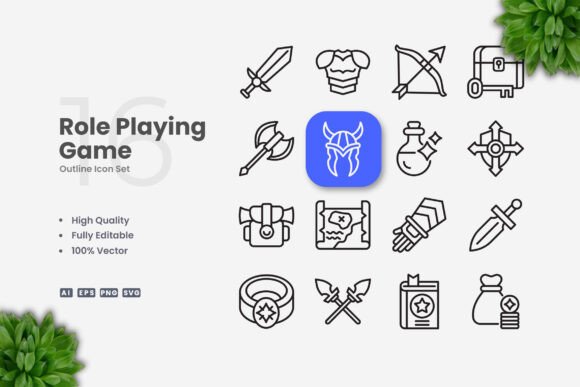
Role Playing Game Icons - Clean Graphics for Content Publishing
A First Impression That Speaks Volumes
When I first encountered Role Playing Game Icons, the immediate visual impression was one of simplicity and clarity. These icons exude a modern, clean design language that feels both approachable and professional. The aesthetic is not overly decorative but carries enough character to stand out in editorial layouts. It’s the kind of graphic design asset that feels like it belongs in lifestyle content, educational materials, or even creative projects that aim to be playful yet polished.
The style leans into a versatile, slightly whimsical mood—perfect for niche content that blends creativity with functionality. Whether you're publishing a digital guide on game mechanics or creating blog thumbnails for an affiliate marketing site, these icons feel like a natural fit. They’re neither too childish nor too corporate, making them ideal for a wide range of content niches, from hobbyist blogs to small business branding initiatives.
Real-World Use Cases for Role Playing Game Icons
As a digital publisher, I always look for graphic design assets that can seamlessly integrate into multiple content formats. Role Playing Game Icons offer flexibility across various publishing platforms and mediums. Here are some real-world applications where they shine:
- Blog Featured Images: These icons can serve as visual anchors for article headers, especially when paired with strong headlines. Their clean lines make them easy to read and visually engaging.
- Pinterest Graphics: The simple and clean icon design makes them perfect for Pinterest pins that need to capture attention quickly in a highly visual environment.
- Social Media Posts: Used as editorial accents or standalone visuals, they help maintain a consistent brand identity across platforms like Instagram, Facebook, and Twitter.
- Digital Guides & Worksheets: As part of downloadable resources, these icons enhance the user experience by improving visual hierarchy and guiding readers through content sections.
- Newsletter Banners: When used in email campaigns, they contribute to a more professional-looking layout while reinforcing key messages with visual cues.
- Canva Templates: These icons work well in Canva templates, helping content creators build visually appealing graphics without needing advanced design skills.
Boosting Content Performance with Visual Design
One of the most significant benefits of using Role Playing Game Icons is their ability to support stronger content performance. A stronger first impression can lead to better click-through rates, especially when used in hero images or article thumbnails. The clear visual hierarchy they provide ensures that readers can easily navigate through your content, which is crucial for improving engagement and reducing bounce rates.
These icons also play a role in building reader trust. Consistent use of high-quality graphic design assets contributes to a more professional look, which is essential for affiliate marketing sites, online courses, and other monetized content. Additionally, they aid in better category recognition, making it easier for users to understand what each section of your website contains at a glance.
Where These Icons Work Best
While Role Playing Game Icons are incredibly versatile, they perform best in specific contexts. For instance, they excel in hero images, where they can draw attention and complement headline text. They’re also effective in article thumbnails and Pinterest pins, where visual appeal is paramount. In editorial layouts, they function well as accents that don’t overwhelm the page but add value to the overall design.
They are particularly useful in content upgrades, downloadable resources, and category visuals, where a cohesive visual identity helps reinforce your brand message. Newsletter headers and social media previews also benefit from their clean, modern aesthetic, ensuring your content looks professional and clickable across all platforms.
Use with Caution in Certain Contexts
Despite their versatility, there are situations where Role Playing Game Icons may not be the best choice. For example, they might not be suitable for small mobile thumbnails where detail can get lost. Similarly, in text-heavy blog images or low-contrast backgrounds, they could become difficult to see or blend in too much.
They should also be used carefully in serious professional niches or corporate content, where a very minimal visual system is preferred. If your brand requires a strict, no-frills approach, these icons might add an extra layer of personality that doesn't align with your overall tone.
Practical Publisher Notes for Optimal Use
Before incorporating Role Playing Game Icons into your content workflow, consider the following practical steps:
- Test on Multiple Devices: Ensure they look good on both desktop and mobile screens. Check how they appear as thumbnails and within a real blog layout.
- Preview with Headline Text: See how they interact with different fonts, including serif, sans-serif, script, handwritten, and display fonts.
- Check Contrast and Readability: Make sure the icons remain visible against different background colors and in black-and-white versions.
- Review File Size: Compress images properly for web performance without sacrificing quality.
- Confirm Commercial Licensing: Always confirm that the design asset has a commercial license before using it on monetized websites, affiliate pages, or paid content products.
Role Playing Game Icons represent a valuable addition to any designer's toolkit. With their clean, modern aesthetic and broad usability, they support a wide range of content publishing needs—from blog graphics to digital product design. By integrating them thoughtfully into your editorial strategy, you can elevate your visual communication, improve brand identity, and ultimately drive better engagement with your audience.