Seashell Icons: A Versatile Graphic Asset for Local Business Branding
A First Impression of Seashell Icons
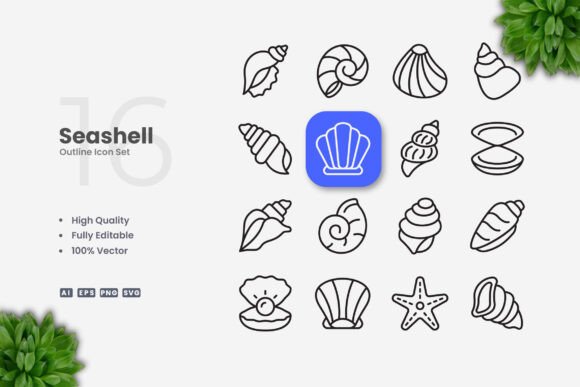
As a brand designer working with local businesses, I always look for design assets that can elevate the visual storytelling of a brand. The moment I saw Seashell Icons, I felt an instant connection to its clean and simple aesthetic. These icons have a soft, organic feel that suggests a brand personality rooted in approachability, creativity, and natural charm.
The gentle curves and minimalist lines of these icons evoke a sense of calm and elegance. They are not overly decorative but still carry enough character to stand out. This makes them ideal for brands that want to communicate a friendly, handmade, or nature-inspired vibe without being too flashy or modern.
Finding the Right Fit for Local Businesses
Seashell Icons would be a perfect match for a variety of small businesses—think boutique stores, handmade soap brands, artisanal bakeries, or even eco-friendly packaging solutions. Their subtle design ensures they complement rather than overpower other elements of a brand’s identity.
For example, if I were designing visuals for a local bakery, I could use these icons on product labels to denote ingredients like “organic,” “local,” or “handmade.” On social media posts, they could add a touch of whimsy to promotions about seasonal treats or new flavors.
Real-World Applications for Small Business Branding
One of the strengths of Seashell Icons is their adaptability. Whether used as part of a logo design, brand identity package, or promotional material, they bring a cohesive and professional look to any project.
- Product Labels: Use them to highlight key features or ingredients on product packaging.
- Packaging Design: Incorporate them as accents on boxes, tags, or hang tags to enhance visual appeal.
- Social Media Graphics: Add them to posts, stories, or ads for a consistent and recognizable brand presence.
- Website Banners: Place them strategically in hero sections or navigation menus for a subtle yet effective visual cue.
- Print Materials: Use them in flyers, posters, or business cards to reinforce brand messaging with a touch of elegance.
These icons also work well in product mockups or printable design templates, making them a valuable asset for both digital and physical branding efforts.
Supporting Stronger Brand Presentation
Using Seashell Icons can significantly improve how a brand is perceived by customers. Their clean design contributes to a clearer visual hierarchy, helping important information stand out. This is especially useful in marketing visuals where quick recognition and readability are key.
When applied consistently across different materials—from packaging design to social media graphics—these icons help build stronger brand recognition and trust. They create a sense of professionalism while maintaining a warm and inviting tone, which is essential for small business branding.
Additionally, the versatility of Seashell Icons allows for creative flexibility in editorial design or web design. They can be resized, recolored, or adjusted to fit various formats and styles, making them a reliable tool for any designer working on multiple projects at once.
Where Seashell Icons Work Best
These icons shine when used as decorative elements in product labels, seasonal packaging, or boutique visuals. They add just the right amount of detail without distracting from the main message. In promotional banners or thank-you cards, they can enhance the emotional connection between the brand and its audience.
They are also great for creative marketplace projects, such as Canva templates or digital products aimed at small businesses looking for affordable, high-quality design assets.
Where to Use with Caution
While Seashell Icons are incredibly versatile, there are certain situations where they may not be the best fit. For instance, they might not work well in formal corporate branding or luxury minimalist brands where a more subdued or abstract style is preferred.
They should also be used carefully on very small labels or crowded product packaging, where the details of the icon might become lost. Similarly, in areas with a lot of text—such as ingredient lists or legal disclaimers—their decorative nature could potentially compete with important information.
Practical Notes for Brand Designers
Before finalizing the use of Seashell Icons in a client project, it's important to test them in real-world scenarios. Here are some practical steps I recommend:
- Test on real packaging mockups: See how the icons look when printed on actual product labels or packaging.
- Check black and white usage: Ensure they maintain clarity and impact when converted to grayscale.
- Preview on small labels: Confirm they remain legible and visually appealing at smaller sizes.
- Test with brand colors: Make sure the icons align with the brand’s color palette and do not clash.
- Compare with competitor packaging: Ensure the icons provide a unique and distinct brand identity.
- Check print quality: Verify that the icons retain their sharpness and detail when printed.
- Review PNG transparency: Confirm that the icons are transparent and can be layered seamlessly over backgrounds.
- Inspect SVG or vector editability: If you need to make adjustments, ensure the file format allows for easy editing.
- Test beside different fonts: Check how they pair with serif, sans-serif, script, handwritten, or display fonts.
- Confirm commercial licensing: Always verify that the asset has a valid commercial license before using it for client work or product sales.
Seashell Icons offer a powerful way to enhance the visual storytelling of a local business. Whether used in brand identity, packaging design, or social media content, they bring a sense of elegance and simplicity that resonates with customers and supports a strong brand presence.